
The City’s Changing Names and Borders
The Glass RoomThis flow traces how familiar places acquire new names as political boundaries shift, making geography a record of power and belonging.
increasing Bearing strength in each event
 decreasing
Bearing strength in each eventdecreasingA City with Two Names
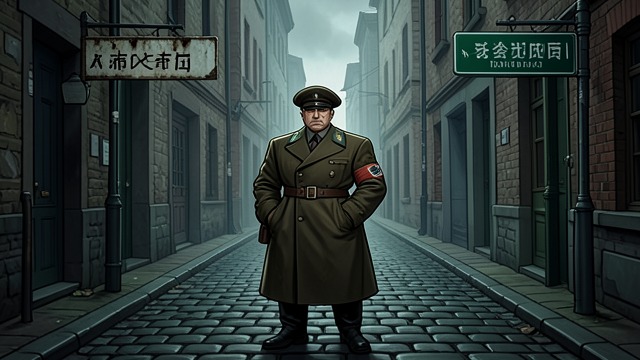
Language on the Map
Czech and German worlds
In Město, streets, parks, and public spaces carry Czech and German names. Liesel understands this double naming as part of a world where communities overlap and identity remains unsettled.
The city’s ordinary geography reflects a multilingual society.
A fragile coexistence
The two names do not guarantee equality or harmony. They reveal a shared place whose political future can be claimed by competing national movements.
Borders Multiply
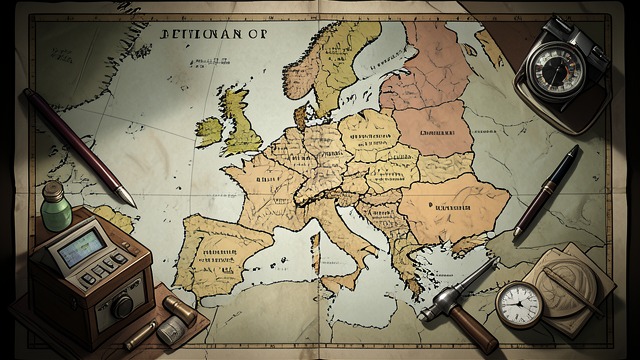
New States, New Lines
Empire replaced
The collapse of the Habsburg Empire creates new states and new borders across Central Europe. People who remain in their homes can find themselves assigned to a different national jurisdiction.
Viktor recognizes the irony of borders that separate communities from their origins.
Political geography as contingency
The new map promises self-determination but also produces minorities and competing claims. The novel treats the borders as human decisions rather than natural facts.
Occupation Renames the Landscape
Place Names Become Claims
Territory transferred
The Sudeten crisis and the occupation alter who controls towns and regions. Familiar places acquire new political meanings as borders move and authorities change.
For residents, the map changes faster than their attachments to home.
Naming as power
The novel’s bilingual place references show how political rule can overwrite a landscape without erasing local memory. Names can declare possession, but not settle belonging.
Exile Makes Place Unfamiliar
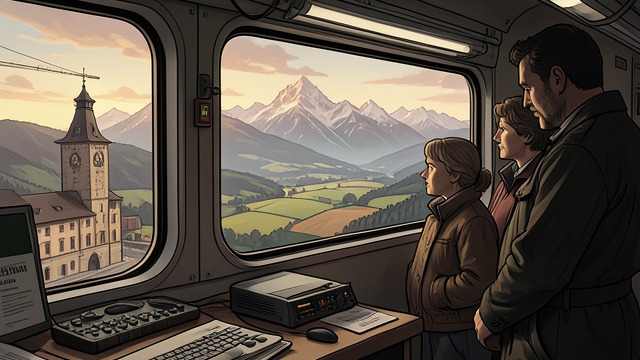
Geography from a Train Window
Passage through foreign places
The family crosses Switzerland, France, and Spain while borders and documents govern movement. Stations become temporary points of safety, waiting, and uncertainty.
Liesel reads each landscape through its distance from the home she left.
A changing sense of belonging
The farther the family travels, the less the old map determines their daily life. New geography does not immediately create a new home.
Město After the Iron Curtain
A City Revisited
Familiar names, changed streets
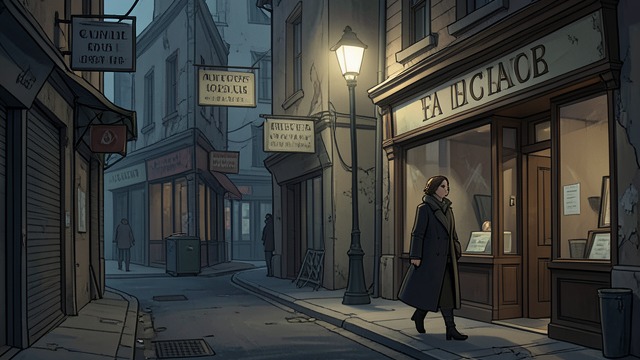
Liesel and Marie return to a city that has passed through occupations, political regimes, and public renamings. Streets and landmarks offer clues, but personal memory supplies the strongest recognition.
The city appears shabby and altered, yet remains tied to their lives.
Place outlasts regimes
The city’s names and authorities have changed, while the house remains a point of contact between past and present. Geography preserves traces that official maps cannot fully contain.
During the First Republic years
After the First World War
During the German expansion of 1938 and 1939
During the Landauers’ journeys through Europe
During the return in 1990
